Choosing Materials by Use Case
Match materials to everyday functions. Understanding how different materials perform in various conditions helps in selecting appropriate options for specific uses.
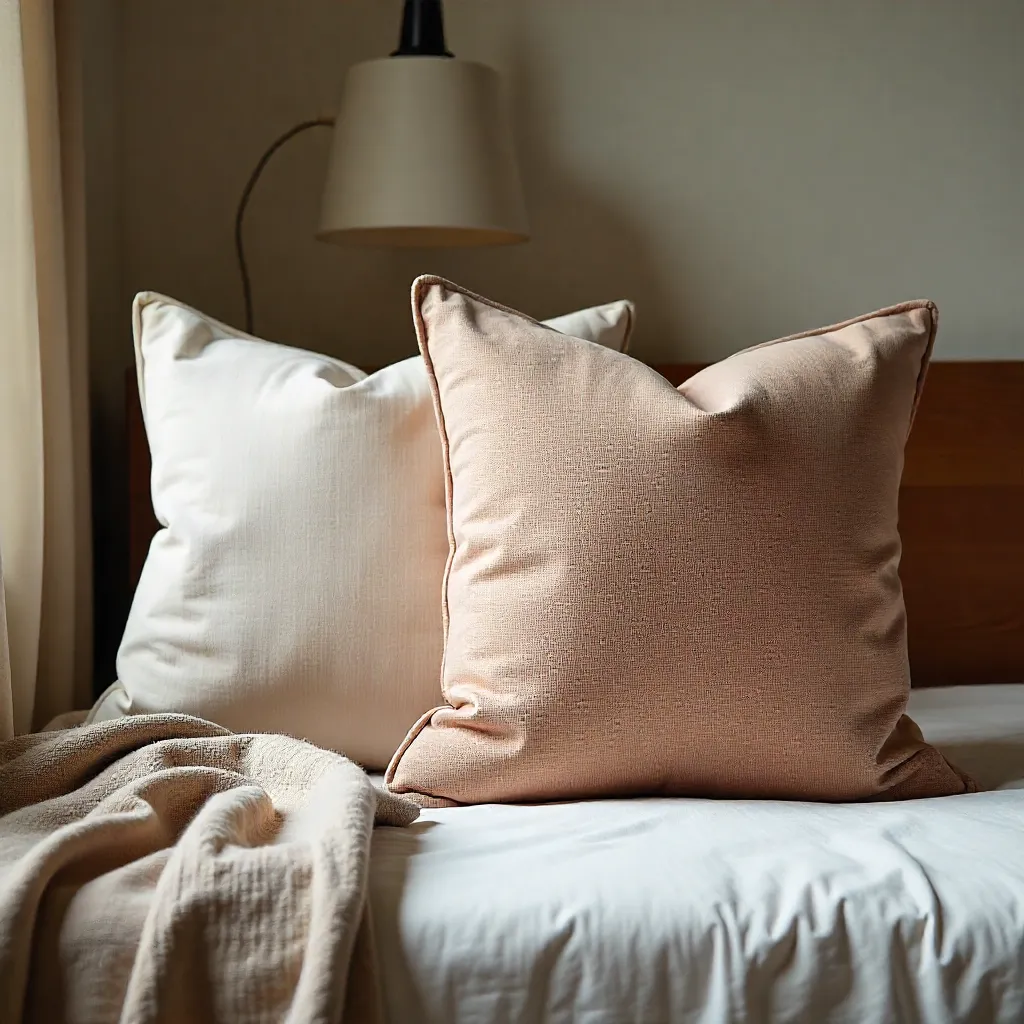
Decorative Items
Decorative accessories such as vases, trays, and frames serve primarily aesthetic functions. Material selection for these items often prioritizes appearance and visual qualities.
Vases
Glass and ceramic vases are commonly chosen for their ability to showcase contents while maintaining clean lines. This material is often selected for its surface stability rather than appearance alone.
Trays
Wood and metal trays provide stable surfaces for organizing items. The material choice balances visual appeal with functional requirements for weight distribution.
Frames
Frame materials range from wood to metal, each offering different aesthetic qualities. The choice often depends on the visual style desired rather than structural needs.
Functional Accessories
Functional accessories including hooks, storage solutions, and organizers require materials that withstand frequent use and handling.
| Material | Use Case | Considerations |
|---|---|---|
| Metal | Hooks, hardware | High strength, supports weight, durable surface |
| Wood | Storage boxes, organizers | Natural appearance, moderate weight capacity |
| Plastic | Lightweight organizers | Easy to clean, moisture resistant |
| Ceramic | Small storage containers | Stable, non-porous when glazed |
High-Touch vs Low-Touch Items
Items that are handled frequently require different material considerations than those that are primarily decorative.
High-Touch Items
Accessories that are moved, adjusted, or handled regularly benefit from materials that resist wear and are easy to clean. Surfaces should maintain their appearance despite frequent contact.
Low-Touch Items
Decorative pieces that remain in place can utilize materials chosen primarily for visual qualities. Maintenance requirements may be less critical for these items.
Environmental Conditions
Different areas of the home present varying conditions that affect material performance. Consider moisture, heat, and sunlight exposure when selecting materials.
Moisture Areas
Bathrooms and kitchens require materials that resist water damage. Non-porous surfaces and protective finishes help maintain appearance in humid conditions.
Heat Exposure
Areas near heat sources need materials that can withstand temperature changes without warping or discoloration. Some materials are more stable under thermal stress.
Sunlight Exposure
Direct sunlight can cause fading and material degradation over time. Materials with natural UV resistance or protective finishes perform better in bright conditions.
Material Selection Guidelines
When matching materials to use cases, consider the primary function, frequency of use, and environmental conditions. Some materials are chosen for their surface stability rather than appearance, while others prioritize aesthetic qualities.
Visual markers such as texture and finish can indicate material properties, but functional requirements should guide the final selection. Neutral observations about material behavior help in making informed choices.