Overview of Common Accessory Materials
Understanding the materials commonly used in home accessories helps in making informed choices based on properties, origins, and long-term performance.
Material Categories
Home accessories utilize a wide range of materials, each with distinct characteristics. The following sections explore common material types, their origins, typical lifespans, and end-of-use considerations.
Wood
Wood materials include solid wood, veneer, and reclaimed options. Each type offers different characteristics in terms of stability, appearance, and maintenance.
Solid wood provides the ability to refinish surfaces multiple times. Veneer offers the appearance of wood with increased stability. Reclaimed wood brings character from previous use while extending material life.
Glass
Glass appears in clear, recycled, and tempered forms. Each variant serves different functional needs while maintaining transparency and ease of cleaning.
Clear glass provides visibility and light transmission. Recycled glass reduces raw material use. Tempered glass offers increased strength and safety through heat treatment.
Metals
Metal options include steel, aluminum, and brass. Each metal has different properties regarding strength, weight, and response to environmental conditions.
Steel provides strength and durability. Aluminum offers lightweight properties and natural corrosion resistance. Brass develops patina over time, changing appearance while maintaining function.
Ceramics & Clay
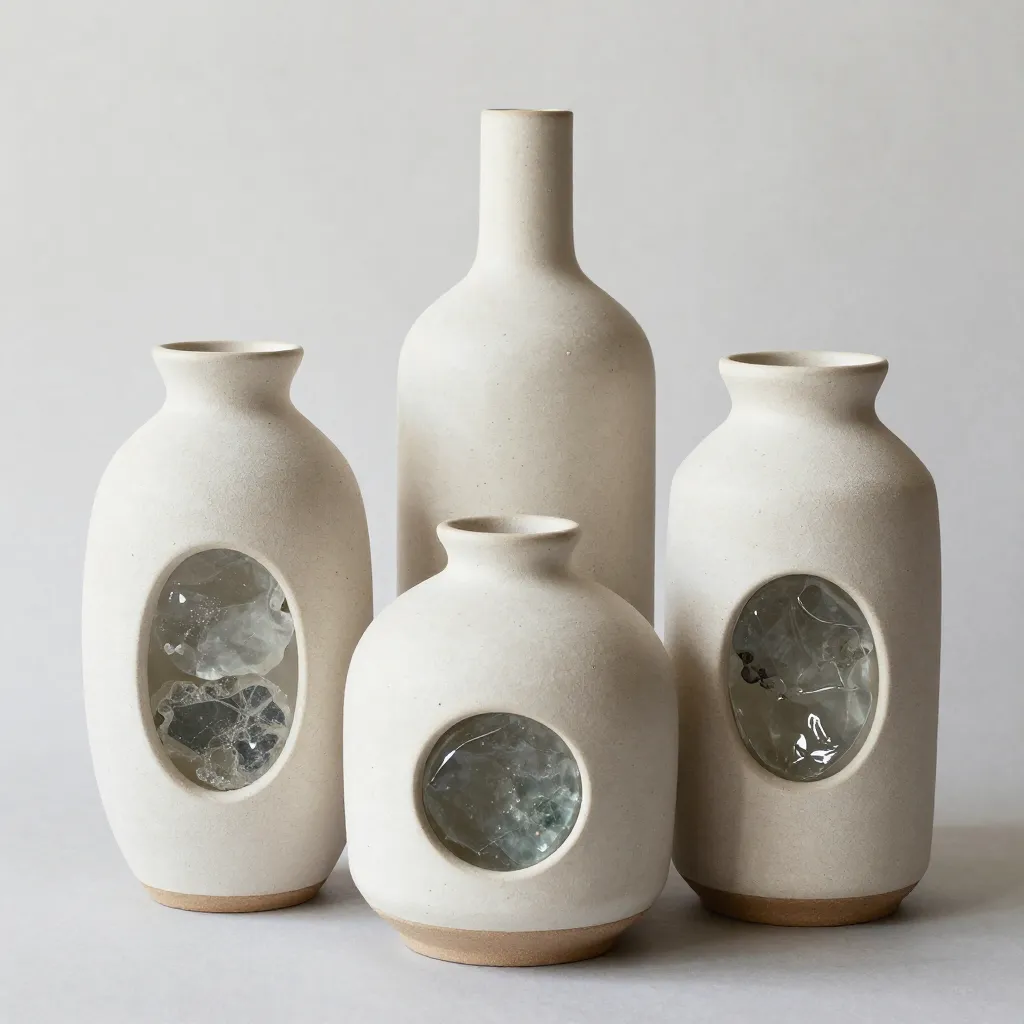
Ceramic and clay materials are formed through firing processes. Glazed options provide non-porous surfaces, while unglazed materials have different characteristics.
Glazed ceramics resist moisture and are easy to clean. Unglazed options may absorb water and require different care. Both types are durable when handled appropriately.
Natural Fibers
Natural fibers include cotton, linen, and wool. Each fiber has unique properties regarding texture, breathability, and care requirements.
Cotton offers softness and breathability. Linen provides strength and natural texture. Wool offers warmth and natural moisture management. Each fiber has specific care requirements.
Material Selection Considerations
When choosing materials, consider how they will be used, the conditions they will face, and your preferences for maintenance and appearance over time. Some materials are selected for surface stability rather than visual appeal, while others prioritize aesthetic qualities.