Understanding Material Choices for Home Accessories
A practical guide to selecting materials based on their properties, origins, and everyday use. Explore how different materials behave over time and in various conditions.
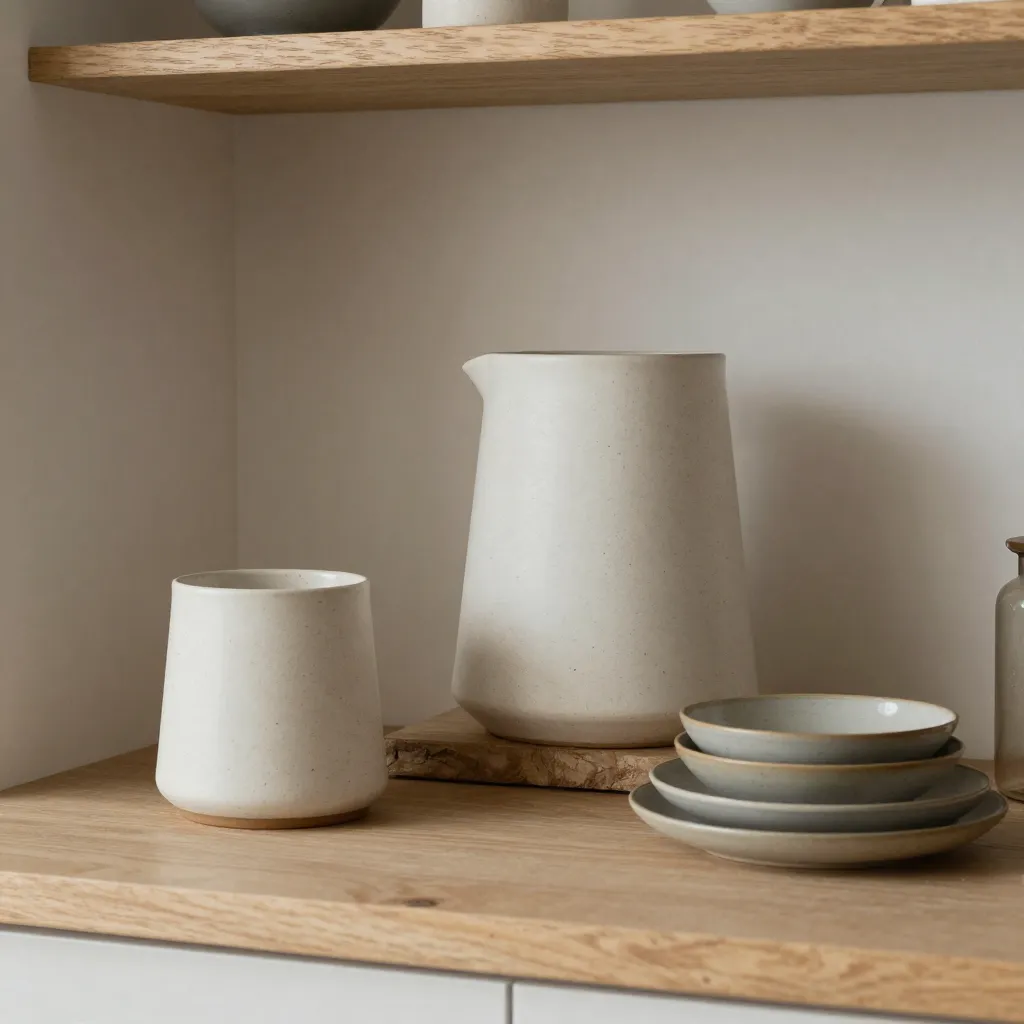
Why Material Selection Matters
Every material used in home accessories has distinct characteristics that affect how it performs in daily use. Understanding these properties helps in making choices that align with your needs and preferences.
Materials differ in their response to environmental factors such as moisture, temperature changes, and light exposure. Some develop patina over time, while others maintain their original appearance. Surface texture, weight, and maintenance requirements also vary significantly.
Common Material Categories
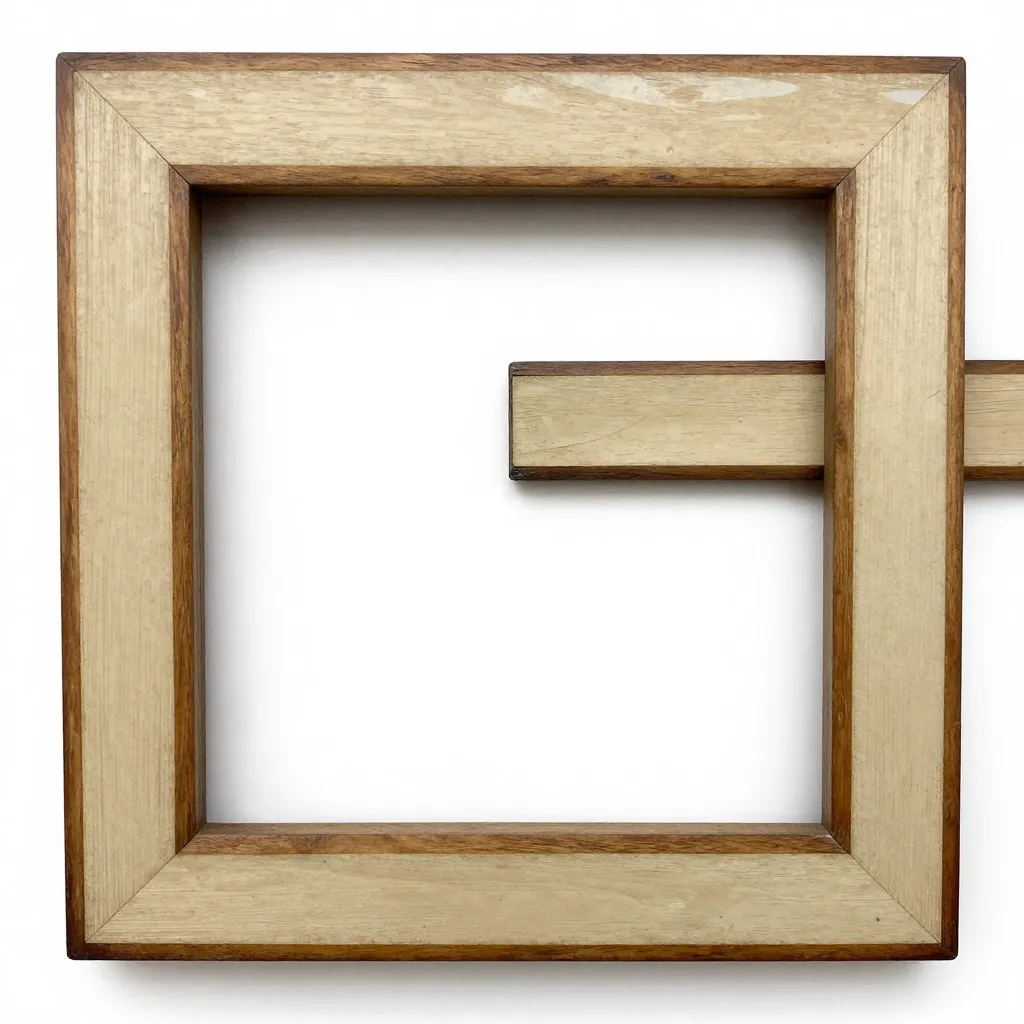
Wood
Wood offers warmth and natural variation. Different species provide varying levels of hardness and grain patterns. Solid wood can be refinished, while engineered options offer stability.
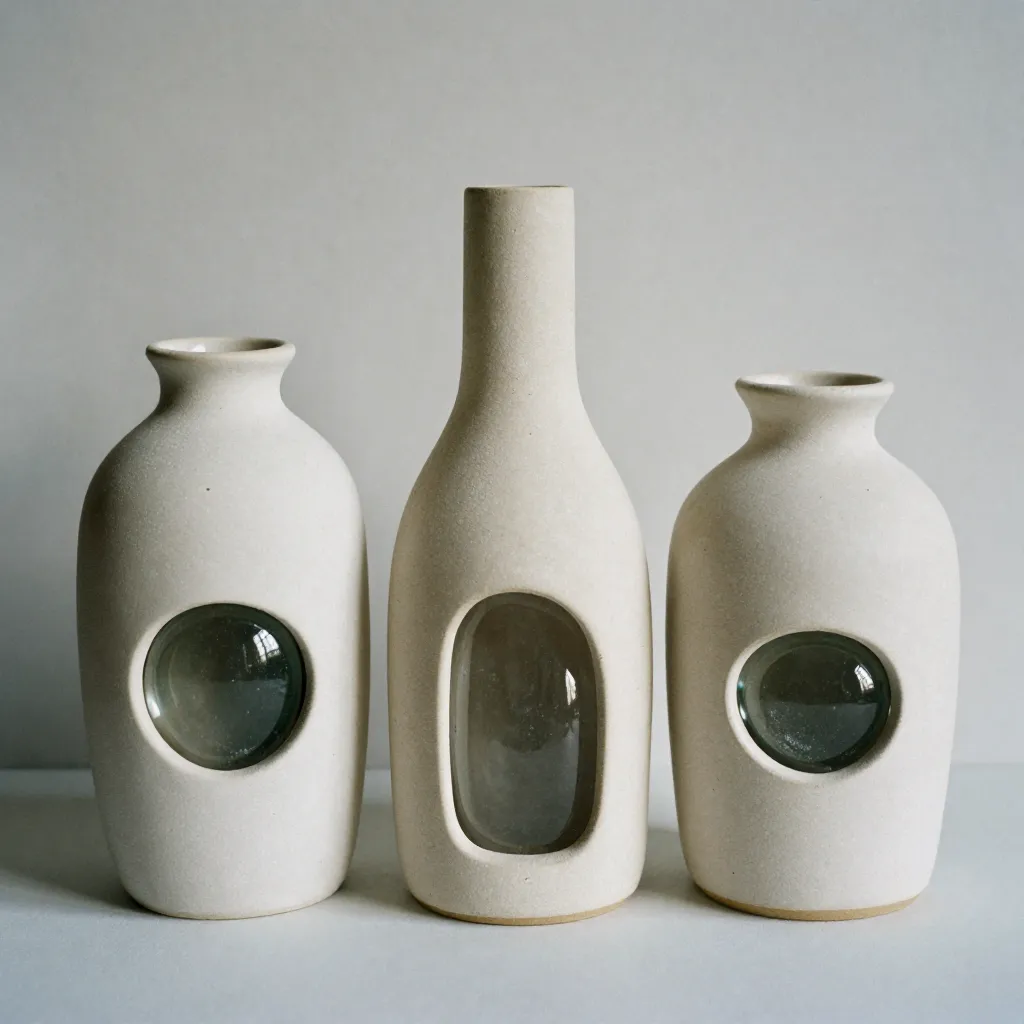
Ceramics
Ceramic materials are durable and non-porous when glazed. They resist moisture and are easy to clean. Unglazed options have different surface characteristics.
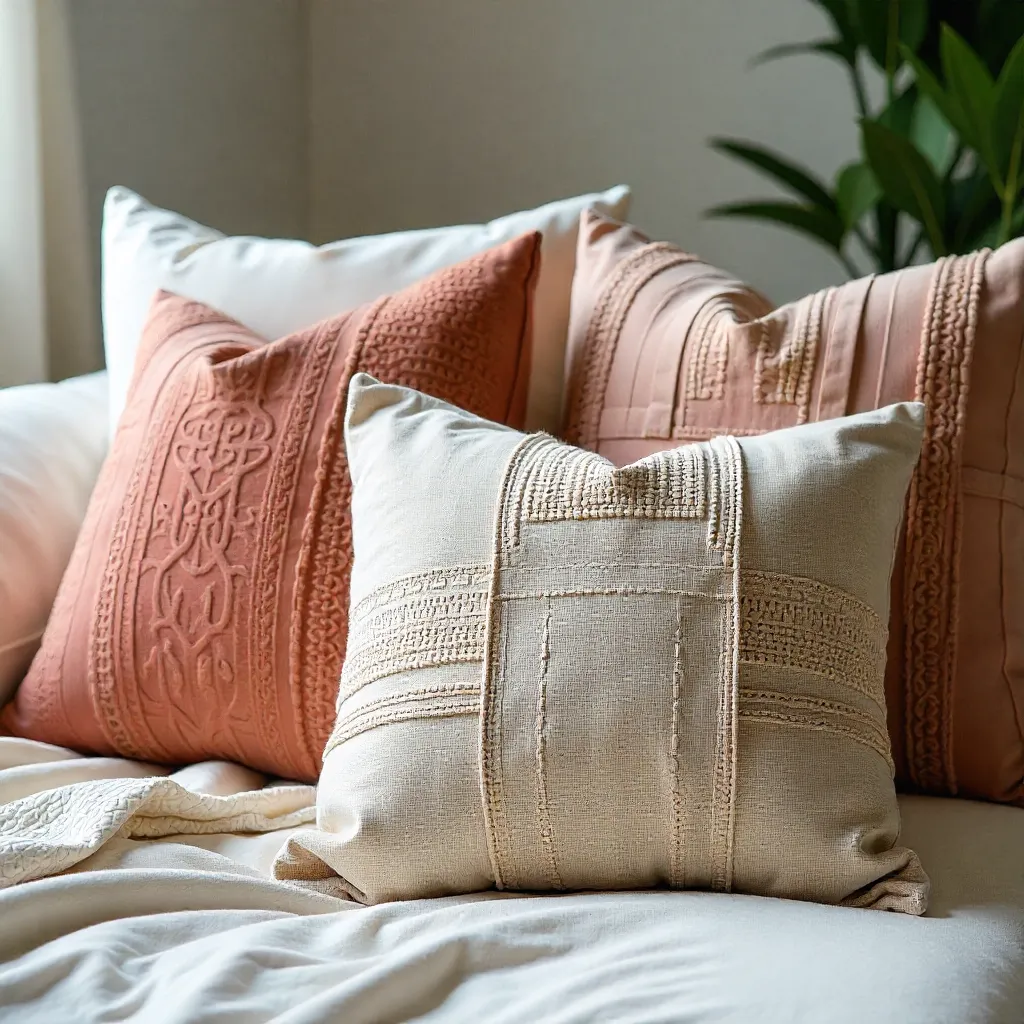
Natural Fibers
Fibers like cotton, linen, and wool each have unique properties. They vary in breathability, texture, and care requirements. Natural variations are inherent to these materials.
Material Properties and Performance
When evaluating materials, consider how they respond to everyday conditions. Some materials are chosen for surface stability rather than appearance. Others develop character through use and exposure.
Weight, texture, and maintenance needs influence how materials function in different spaces. High-touch items benefit from materials that withstand frequent handling, while decorative pieces may prioritize visual qualities.